


What Startups Can Learn From The Cello Rental Business Model
July 12, 2026 | Business | No Comments
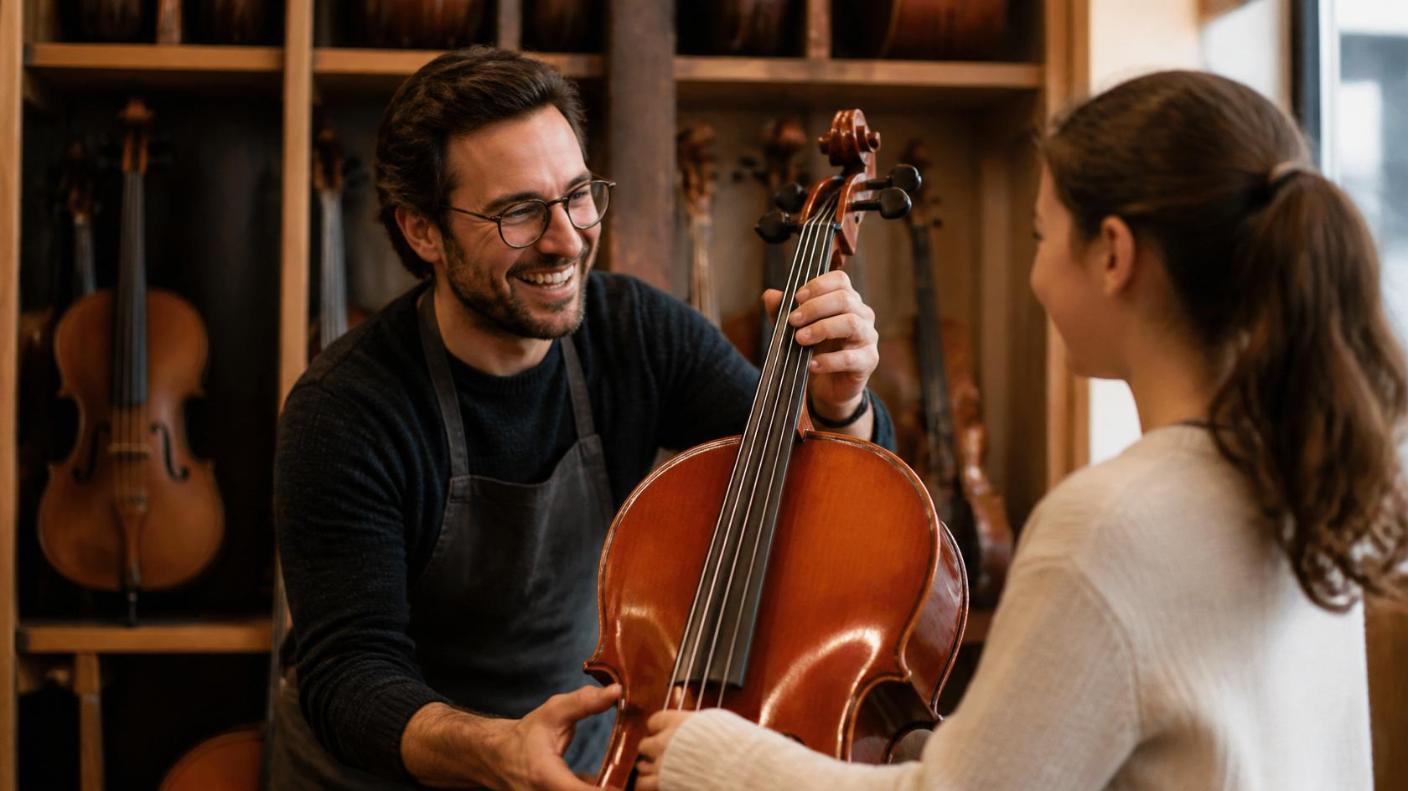
A small shop in a strip mall outside Chicago is a survivor. It has made it through three recessions, a pandemic, and the slow hollowing out of the American mall.
It does not sell software. It has no venture backing. It rents cellos.
Somewhere past the dust, in a room that smells like aged spruce and rosin, you will find one of the more quietly brilliant business models still operating today.
A cello rental program is, at its core, a subscription service.
For a monthly fee, a family gets the instrument and the option to keep renting, return it, or eventually buy.
It sounds simple because it is. But the principles holding it together are the same ones behind most businesses that actually survive long enough to matter.
Recurring Revenue Isn’t Just a SaaS Trick
Silicon Valley did not invent recurring revenue. Instrument rental shops were running predictable, low-churn monthly income models long before anyone coined the term “monthly recurring revenue.”
While a family is deciding whether their kid will stick with the cello, the shop owner is quietly watching the unit economics work in their favor.
The longer a family rents, the more predictable the cash flow becomes, and the more likely they eventually convert to a purchase.
That arc plays out across dozens of customers at once.
The underlying idea is straightforward: you can only keep improving what you offer if people keep paying to use it.
That only happens when what you have is genuinely better than walking away.
Making Something More Accessible Without Sacrificing Quality
A family with a beginner at home is not going to spend serious money on an instrument their child might abandon in four months.
A cello shop can meet them there with an entry-level instrument at a lower price point while keeping higher-end instruments available for students who have grown into the commitment.
Nobody gets priced out, and nobody gets stuck with something that does not fit where they are.
Most rental programs let you roll what you have already paid toward a better instrument when you are ready.
That is not just a pricing structure. It is a trust signal. It tells the customer they are not being pushed into a corner.
Product-led growth and freemium models in tech are often framed as innovations, but they are really just a more complicated version of this.
Lower the barrier to entry, let the product prove itself, and make the upgrade feel like the customer’s own idea.
Several small business owners I have spoken with who run similar operations have said the same thing: customers who feel free to leave but choose to stay are the easiest ones to keep.
Reducing Risk on Both Sides of the Table
Inventory risk is a bigger threat to small businesses than most people give it credit for.
A retailer who orders 50 units and moves none is in serious trouble. A rental business sidesteps that problem entirely by circulating the same physical inventory across multiple customers over time.
One cello goes out, comes back, gets cleaned and inspected, and goes out again.
The asset earns its keep repeatedly rather than sitting on a shelf depreciating.
This applies well beyond musical instruments.
Tool libraries, equipment rental shops, and certain subscription services all operate on a version of this logic: trade the high-risk single sale for a steadier, lower-risk income stream.
It is not the kind of model that makes for exciting pitch decks, but it has a way of still being around when flashier competitors are not.
Customer Relationships That Outlast the Transaction
A cello shop owner does not close a sale and move on.
They stay in contact with the same family for years, sometimes through multiple instruments as the child progresses, sometimes through a sibling picking up where the first left off.
Each of those touchpoints is a low-cost chance to build the kind of loyalty that paid advertising cannot buy.
Retention costs less than acquisition and compounds in ways that single transactions do not.
The rental model enforces this discipline because continued revenue depends on continued value. There is no coasting after the initial signup.
Nothing Glamorous About Rental Income
There are business lessons we can learn from Adele about staying power, namely that longevity comes from doing something real and doing it consistently, not from chasing whatever the market wants this quarter.
The cello shop in that strip mall operates on the same principle. It is not exciting from the outside.
The revenue is steady, not explosive. The growth is slow, and it earns it.
Fast growth is fine when it is real. But growing fast to meet demand you cannot sustain, and then contracting just as fast, is not a business. It is a cycle.
The rental shop that has outlasted smartphones, multiple recessions, and the near-death of American retail did not do it by scaling recklessly.
It did it by being useful to the same kinds of families, year after year, in a way that kept them coming back.
In that shop, sustainability is not a buzzword on a slide deck. It is just Tuesday.