


From Cost Center to Value Driver: Why Upholstery Maintenance Is a Smart Investment for Property Owners
May 8, 2026 | Business | No Comments
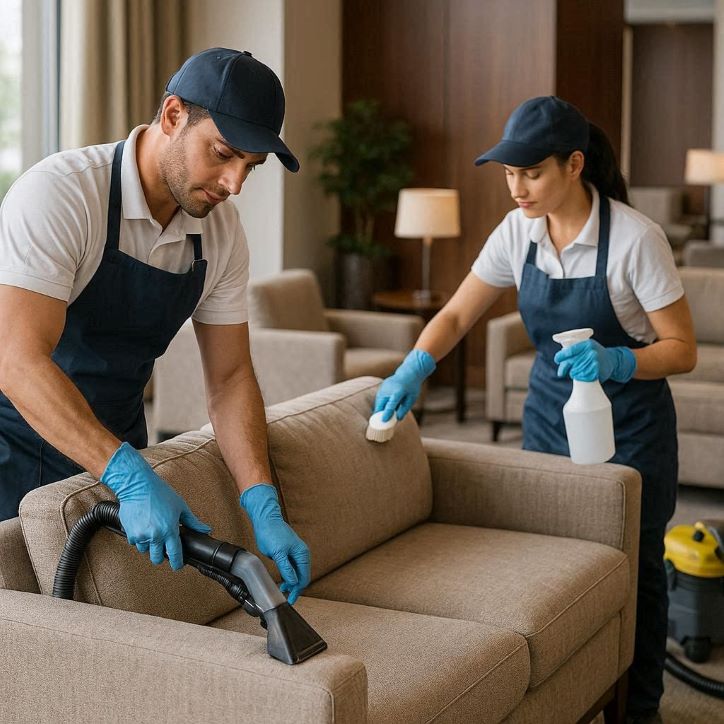
Research shows that furniture replacement accounts for a significant portion of operational expenses in hospitality and office environments. The American Hotel & Lodging Association notes that hotels typically refresh their furniture every seven to ten years, a cycle that can cost millions depending on property size. Yet, many of these costs are avoidable when upholstery is treated as an asset to be maintained rather than a disposable item.
Businesses that prioritize Upholstery care and stain removal (العناية بالمفروشات وإزالة البقع) often see measurable improvements in customer perception and operational efficiency. This shift in perspective reframes cleaning services as a strategic investment, not a commodity expense.
Cost Comparison: Replacement vs. Maintenance
Replacing a sofa in a mid-range hotel can cost anywhere from $800 to $2,000 per unit. Multiply that across dozens of rooms, and the expense quickly escalates. By contrast, professional upholstery cleaning averages $100 to $150 per piece, depending on fabric type and condition. Data from ISSA, the worldwide cleaning industry association, indicates that regular maintenance can extend furniture lifespan by 30 to 50 percent. This means a sofa that might otherwise need replacement in seven years could last ten or more, saving thousands in cumulative costs.
For office spaces, the financial logic is similar. A corporate lobby with ten high-quality chairs may represent an investment of $15,000. Routine cleaning and fabric protection treatments can preserve this investment, delaying replacement cycles and reducing capital expenditure.
Preserving Brand Image and Customer Trust
In hospitality and rental properties, furniture is more than functional; it communicates brand identity. Stained or worn upholstery sends a negative signal to guests, undermining perceptions of cleanliness and care. A survey by J.D. Power found that cleanliness is one of the top three factors influencing guest satisfaction in hotels. Maintaining fresh, well-kept furniture directly supports this metric.
Case in point: A boutique hotel in Barcelona reported a 12 percent increase in repeat bookings after investing in quarterly upholstery cleaning. Guests cited the “fresh and inviting atmosphere” as a reason for returning. Similarly, property managers of furnished rental apartments in Dubai have noted that well-maintained sofas and chairs reduce tenant turnover, as renters associate clean interiors with professional management.
The Role of Specialists and Safe Materials
Not all cleaning is equal. Trained specialists understand the chemistry of fabrics, ensuring that delicate materials like velvet or linen are treated without risk of discoloration. The Institute of Inspection Cleaning and Restoration Certification (IICRC) emphasizes that improper cleaning can permanently damage fibers, leading to costly replacements. Professional services use pH-balanced solutions and advanced extraction methods that remove dirt while preserving fabric integrity.
Beyond technical skill, safe cleaning materials reduce liability. In office environments, harsh chemicals can trigger allergies or respiratory issues among employees. Eco-friendly solutions mitigate these risks, aligning with corporate sustainability goals and enhancing workplace health.
Bundling Services for Greater Efficiency
Property owners often overlook the economies of scale available through bundled cleaning services. Upholstery maintenance can be integrated with carpet, curtain, and rug cleaning, creating a comprehensive care package. This approach reduces scheduling complexity and ensures consistency across all interior surfaces.
For example, a serviced apartment operator in Singapore partnered with a cleaning provider to manage sofas, carpets, and drapes under a single contract. The bundled service reduced annual costs by 18 percent compared to hiring separate providers. More importantly, it streamlined vendor management, freeing staff to focus on tenant relations and operational priorities.
Mini Case Examples Across Sectors
- Hospitality: A mid-sized hotel in Toronto extended its furniture replacement cycle from seven to eleven years through biannual upholstery cleaning. The savings funded lobby renovations, which further boosted guest satisfaction scores.
- Rental Properties: A property management firm in Riyadh reported fewer tenant complaints and longer lease renewals after implementing a structured upholstery maintenance program. Clean interiors became a differentiator in a competitive rental market.
- Corporate Offices: A financial services company in London invested in quarterly upholstery care for its client-facing areas. Executives noted that the pristine environment reinforced their professional image, supporting brand credibility during high-stakes meetings.
Why Upholstery Maintenance Is a Strategic Decision
Despite the importance of aesthetics, upholstery care is often dismissed as a minor operational detail. However, growing industry discussion around the hidden ROI of investing in an upholstery cleaning service highlights how preventive maintenance can reduce long-term operational costs while improving workplace presentation and customer perception. By aligning financial planning with maintenance strategies, property owners can transform cleaning from a reactive cost into a proactive value driver.
Experts note that asset management is not limited to machinery or real estate. Furniture, though often overlooked, represents a tangible investment that influences customer experience and employee well-being. Treating upholstery maintenance as part of a broader asset strategy ensures that properties remain competitive, attractive, and financially efficient.
Conclusion
From hotels to rental apartments and office spaces, the evidence is clear: upholstery maintenance is not a household chore but a business imperative. Professional cleaning extends fabric lifespan, safeguards brand image, and reduces operational risks. Whether through bundled services or targeted stain treatment, investing in fabric care delivers measurable returns. Businesses that embrace upholstery preservation as a strategic priority position themselves for long-term success, proving that fresh interiors are as much about financial prudence as they are about aesthetics.
In the end, thoughtful fabric maintenance, whether described as upholstery preservation, textile care, or stain treatment, represents a smart investment for property owners seeking to balance cost efficiency with customer satisfaction.
asset management, hospitality investment, professional cleaning, property care, upholstery maintenance