


Comparing Business Models for Modern Recovery and Wellness Centers
July 30, 2026 | Business | No Comments
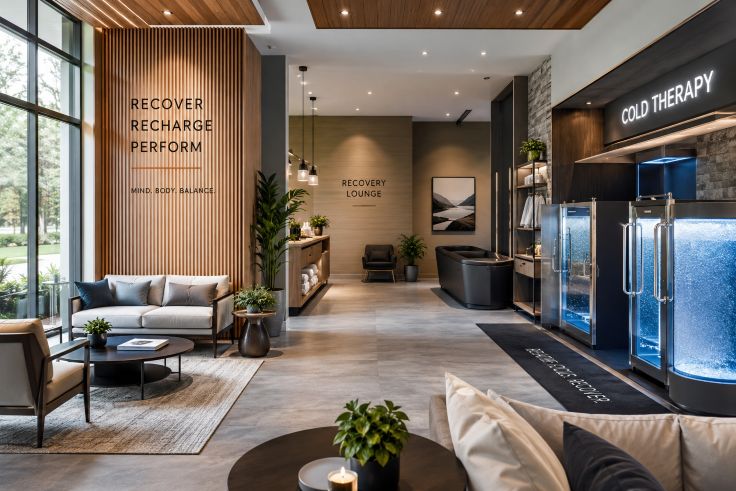
The global wellness economy reached an estimated value of more than $6 trillion in recent years, and Global Wellness Institute projects continued growth as consumers place greater importance on preventive health, recovery, and long-term well-being. This shift has encouraged businesses across multiple industries to rethink how they serve clients who value physical recovery, stress management, and overall wellness.
As more organizations expand their service offerings, decision-makers often evaluate premium recovery systems alongside other operational investments that support customer satisfaction and business growth. Recovery technologies are becoming one category of infrastructure that complements different business models, helping facilities create spaces designed for comfort, performance, and long-term client engagement.
Growing Demand for Recovery-Focused Businesses
Research shows that people increasingly seek services supporting physical recovery, relaxation, and preventive care rather than waiting until health issues become more serious. Findings from the World Health Organization emphasize that physical activity, stress management, and healthy lifestyles contribute to better long-term health outcomes. This broader understanding has expanded opportunities for businesses that deliver wellness-centered experiences.
Fitness centers, boutique wellness studios, hospitality venues, and medical wellness clinics have responded by incorporating recovery-focused services into their business strategies. While each model serves different customer needs, they share a common objective, creating environments that encourage repeat visits through meaningful experiences and measurable value.
The growing interest in recovery has also influenced customer expectations. Visitors increasingly look for facilities offering convenience, comfort, and personalized experiences instead of basic services alone. Businesses that recognize these preferences often find additional opportunities to differentiate themselves within competitive local markets.
Comparing Different Business Models
Boutique Wellness Studios
Boutique wellness studios typically focus on specialized experiences such as recovery therapy, stretching sessions, meditation, breathwork, or holistic wellness programs. Their smaller size allows them to deliver personalized service while building strong relationships with members.
Reports from International Health, Racquet & Sportsclub Association (IHRSA) indicate that consumers increasingly value personalized wellness experiences. Boutique operators often succeed because they create welcoming environments where clients receive individual attention instead of standardized services.
However, limited floor space requires careful planning. Every investment must support multiple business goals, including customer satisfaction, operational efficiency, and revenue generation.
Fitness Facilities
Traditional gyms and fitness clubs continue expanding beyond exercise equipment. Recovery spaces can complement strength training, group classes, and athletic performance programs by giving members additional reasons to remain loyal.
American College of Sports Medicine highlights recovery as an important component of exercise programs because appropriate rest supports performance and reduces injury risk. Fitness facilities that integrate recovery services often strengthen their overall value proposition while serving recreational exercisers and competitive athletes alike.
These businesses generally require equipment capable of handling higher daily usage while remaining easy for staff to maintain.
Medical Wellness Clinics
Medical wellness clinics typically operate under licensed healthcare professionals and provide services that may include rehabilitation, pain management, physical therapy, or physician-guided wellness programs.
Experts from the Mayo Clinic note that evidence-based recovery strategies should be selected according to patient needs and professional guidance. For clinics, purchasing decisions often prioritize clinical reliability, sanitation standards, documentation requirements, and compatibility with treatment plans.
This environment places greater emphasis on regulatory compliance than many other wellness business models.
Hospitality Venues
Hotels, resorts, and destination spas increasingly incorporate wellness amenities to attract travelers seeking restorative experiences. Research published by the Global Wellness Institute indicates wellness tourism continues growing faster than many traditional tourism segments.
Hospitality businesses often focus on creating memorable guest experiences that encourage positive reviews and repeat bookings. Recovery spaces become part of broader amenities designed to increase guest satisfaction while strengthening brand reputation.
Factors That Influence Equipment Selection
Different facilities evaluate equipment according to their operational priorities rather than following a single purchasing formula. Several practical considerations usually guide investment decisions.
- Expected daily customer volume and usage frequency.
- Available floor space and future expansion plans.
- Maintenance requirements and operating costs.
- Staff training needs.
- Ease of cleaning and sanitation.
- Compatibility with existing wellness services.
- Overall customer experience and accessibility.
Studies published by the National Institutes of Health consistently show that environment influences how people perceive healthcare and wellness experiences. Comfortable layouts, organized spaces, and thoughtful facility design contribute to higher satisfaction levels regardless of the specific business model.
Planning for Scalability and Customer Experience
Business owners often begin with a limited service offering before expanding as customer demand grows. This gradual approach allows organizations to test market interest while managing financial risk.
Scalable infrastructure supports this strategy by allowing facilities to adapt without requiring complete redesigns. Flexible layouts, modular equipment placement, and future utility planning help reduce disruption during expansion.
Customer experience remains equally important throughout this process. Visitors appreciate facilities that feel organized, clean, and professionally maintained. Small operational details, including efficient scheduling, intuitive layouts, and welcoming recovery spaces, influence overall satisfaction as much as the services themselves. Businesses that stay informed about consumer trends in health and wellness products are often better prepared to adapt their services as customer expectations continue to evolve.
Long-Term Operational Planning
Recovery infrastructure should be evaluated as part of a long-term business strategy rather than an isolated purchase. Decision-makers often compare expected lifespan, maintenance schedules, staff requirements, energy consumption, and potential utilization rates before making investments.
U.S. Small Business Administration guidance encourages businesses to align capital expenditures with long-term operational goals instead of focusing only on initial purchase costs. This perspective helps organizations build facilities that remain adaptable as customer expectations evolve.
Facility planning should also consider changing wellness trends, technological improvements, and local market demand. Businesses that regularly review customer feedback and operational performance are generally better positioned to make informed upgrades over time.
Conclusion
Recovery-focused services continue expanding across wellness studios, fitness centers, healthcare environments, and hospitality venues. Each business model serves a different audience, yet all benefit from thoughtful planning that balances customer experience, operational efficiency, and sustainable growth.
Careful evaluation of facility goals, available resources, and future expansion opportunities allows organizations to make informed infrastructure decisions. As wellness continues evolving, businesses that plan strategically and invest responsibly will be better prepared to meet changing customer expectations while supporting long-term success.
 A business only has one opportunity to create a positive first impression. Customers often notice the exterior of a property before they walk through the front door. The condition of gardens, lawns, pathways, and outdoor spaces influences how they perceive the business. This is why many companies invest in professional landscapers in Sydney to improve the appearance and functionality of their commercial properties.
 In fact, experienced investors may not be interested in creating investment returns, they may be more interested in preserving their wealth. Historically premium residential properties had been considered as relatively resilient investments due to the following factors: