Month: October 2025

Home / Month: October 2025

no-dig sewer repair

Modern plumbing is evolving faster than most people realize. What used to be a labor-heavy process involving deep trenches, noisy machines, and long repair times has now shifted to a cleaner, more efficient approach. Across Europe, no-dig technology is reshaping the plumbing industry. It allows specialists to repair underground pipelines without the need for disruptive excavation. This method saves time, reduces costs, and protects both property and the environment.

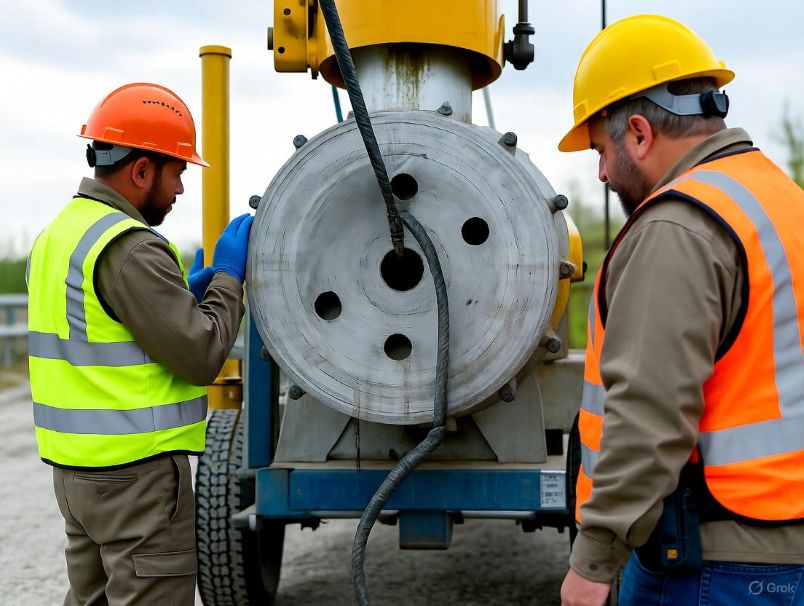
One standout example is how companies like Rioolherstel are transforming this traditional trade into a model of innovation. Using specialized resin and modern lining techniques (relinen or relining techniques), they can repair damaged sewer systems internally, avoiding the need for costly digging. This approach has become especially popular in urban areas where accessibility and space are limited. The technology doesn’t just benefit businesses, it also restores customer trust by offering reliable, mess-free solutions.

The Rise of No-Dig Technology

No-dig or trenchless repair isn’t a new concept, but its growing efficiency has made it a preferred choice for many plumbing professionals. Instead of replacing entire pipelines, technicians insert a flexible liner coated with resin into the damaged section. Once cured, it forms a durable new pipe within the old one. The result is a system that works like new, without the hassle of excavation. For long-term reliability, understanding the importance of proper septic system design is essential, as it complements modern repair methods like relining to ensure better flow and durability.

For homeowners and businesses, this means less downtime and lower costs. Traditional sewer repairs can take days or even weeks, while a relining job can often be completed in a single day. Fewer machines, fewer workers, and less cleanup translate directly into savings for both the provider and the client.

Efficiency that Builds Trust

Time is money, especially in the plumbing industry. Clients expect quick, lasting solutions, and relining delivers exactly that. With less disruption to daily life, customers feel more confident in the service. The visual simplicity of the process, technicians arriving, assessing, and fixing underground issues without tearing up lawns or driveways, builds a stronger sense of professionalism.

Moreover, the environmental advantage cannot be ignored. No-dig methods produce less waste and use fewer heavy materials. Businesses using these techniques also show a commitment to sustainability, something increasingly valued by modern consumers.

Rewriting the Plumbing Business Model

Innovation in plumbing is changing how service providers operate. Companies that invest in no-dig technology are reducing overhead, expanding their service capacity, and gaining a competitive edge. The ability to complete projects faster allows them to serve more clients while maintaining high quality standards.

Here’s how the model shifts with no-dig solutions:

  • Reduced labor costs: Smaller crews can handle more projects efficiently.
  • Faster turnaround times: Repairs take hours instead of days.
  • Less property damage: No need to dig through gardens, driveways, or streets.
  • Higher customer satisfaction: Clients appreciate minimal disruption and quick service.

These factors create a sustainable cycle of trust and efficiency. When customers are happy, they recommend the service to others, which increases business growth without additional marketing costs.

Innovation as a Long-Term Investment

Technological advances like relining are proof that even traditional trades can benefit from innovation. What was once considered a dirty, disruptive job now reflects modern engineering and precision. The cost of equipment and training is quickly offset by the time and resources saved in daily operations.

Technicians now use cameras and remote tools to inspect pipelines before repairs. This precision allows them to locate exact problem spots and measure the effectiveness of the relining process. The result is a smarter workflow, one that depends more on data and less on guesswork.

The Future of Plumbing and Customer Confidence

As technology continues to evolve, the plumbing industry is expected to become even more streamlined. Customers today demand transparency, speed, and reliability, and no-dig methods provide all three. The combination of innovation and craftsmanship sets a new standard for what people can expect from plumbing professionals.

Businesses like Rioolherstel are at the forefront of this transformation. They show that efficiency and trust go hand in hand. By modernizing how sewer systems are maintained and repaired, they’re helping shape a cleaner, faster, and more customer-friendly future for the entire industry.

In conclusion, no-dig sewer repair isn’t just a technical upgrade, it’s a business revolution. The use of relining has turned an age-old trade into a model of modern efficiency. Companies that adapt to this change are setting new standards in performance, reliability, and environmental responsibility. The plumbing business has officially entered a new era, one where innovation flows as smoothly as the pipes it repairs.
local cleaning service

Clean floors do more than shine; they tell stories of trust, effort, and community pride. Across Australia’s Sunshine Coast, small cleaning companies are proving that modest beginnings can lead to major impacts. These local businesses does more than just scrub tiles and polish grout.  They’re building livelihoods, sustaining neighborhoods, and contributing to the region’s growing micro-economy.

At the heart of this transformation is the power of professional tile cleaning. Reliable service creates repeat customers, and consistent quality builds a reputation. Over time, this trust turns into growth, not just for the business, but for the local community. A spotless floor in a café or hotel doesn’t just attract customers; it keeps local economies moving by encouraging spending and confidence in regional services.

The Local Touch That Builds Trust

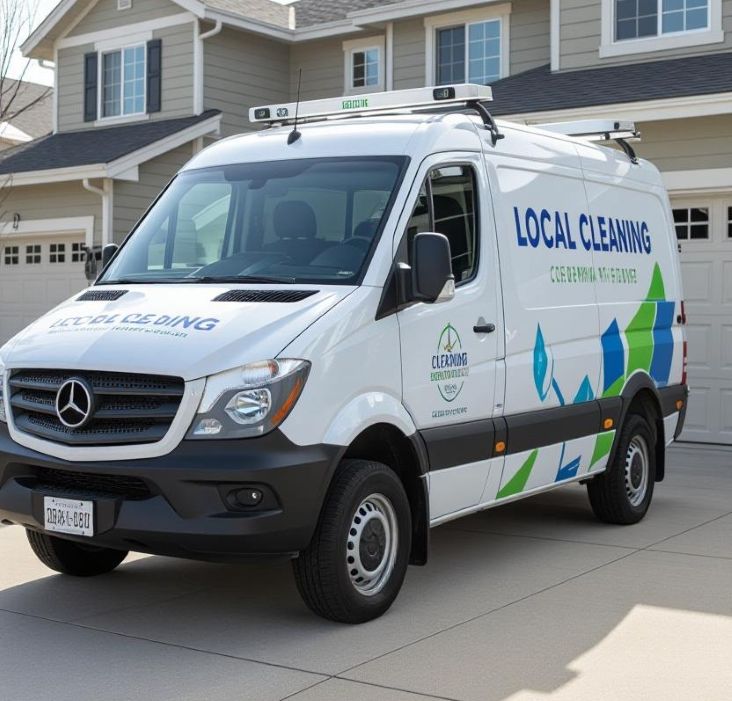
Small cleaning businesses often start with just a van, a few tools, and a lot of determination. Their strength lies in personal connection. Unlike large national chains, they build close relationships with customers, homeowners, restaurants, and property managers, who prefer knowing the people behind the service. This direct trust translates into steady work and word-of-mouth referrals, the backbone of any small enterprise.

These cleaning professionals understand the local environment, weather patterns, and building materials. That means their work is tailored, practical, and long-lasting. From dealing with coastal humidity to restoring stained bathroom tiles, their expertise is deeply rooted in community knowledge. As one business owner put it, “We don’t just clean; we protect homes and memories from the ground up.”

Economic Ripples from Every Clean

Every appointment booked and every job completed fuels a chain of economic activity. Small tile and grout cleaning businesses hire technicians, purchase local supplies, and often collaborate with other service providers,  from carpet cleaners to builders. This network of interdependence keeps money circulating within the region, strengthening the community’s financial foundation.

Moreover, their operations foster skill development. Young workers gain hands-on experience, learning about surface care, business ethics, and customer service. These transferable skills often lead to new ventures, further fueling the cycle of local entrepreneurship. It’s a quiet but powerful movement , one grout line at a time. You can also explore the hidden ROI of investing in an upholstery cleaning service for your office to see how similar cleaning services contribute to business value and workplace efficiency.

Consistency as a Growth Strategy

Trust and consistency go hand in hand in this industry. Customers rarely remember a company’s name after one visit, but they remember how clean their floors felt. A business that shows up on time, communicates clearly, and delivers results becomes more than a service provider, it becomes a trusted household name. That reputation doesn’t happen overnight. It’s earned through reliability, accountability, and a genuine commitment to quality.

When a company masters these fundamentals, growth follows naturally. Word-of-mouth expands their reach, repeat clients ensure stable revenue, and satisfied customers often share glowing reviews online. A simple before-and-after photo of a sparkling bathroom can inspire dozens of new inquiries. The digital era has only amplified this local trust, turning small operators into regional success stories.

Sustainability in Everyday Action

Local cleaning companies are also driving change through eco-friendly practices. Many now use biodegradable cleaning products and water-efficient systems that reduce waste. By prioritizing sustainability, they align with global trends while appealing to environmentally conscious clients. What’s remarkable is how these changes don’t just help the planet, they also create long-term cost savings for businesses and customers alike.

This thoughtful approach adds value beyond aesthetics. A well-cleaned tile floor lasts longer, reducing the need for costly renovations and replacements. It’s a win-win model: sustainable, affordable, and rooted in care for both people and the environment.

The Future of Local Cleaning Enterprises

The next generation of cleaning entrepreneurs is emerging with renewed purpose and innovation. They are blending traditional hard work with digital tools, scheduling apps, online booking systems, and social media marketing, to reach more clients efficiently. Yet, what truly sets them apart is their unwavering focus on service quality and authenticity.

For customers, this means dependable work and peace of mind. For communities, it means more job opportunities, cleaner environments, and thriving small businesses that reflect local values. It’s a model of growth that doesn’t rely on big corporations but on human relationships built one clean surface at a time.

From Grout to Growth

Professional tile cleaning remains more than a chore, it’s a community builder. Small companies on the Sunshine Coast and beyond are showing how craftsmanship, reliability, and passion can translate into economic strength. Every tile they polish and every grout line they restore reflects a deeper story of local trust, sustainability, and shared success. As these businesses continue to grow, so too does the community they serve, proof that even the smallest jobs can make the biggest difference.

In the end, professional tile cleaning represents more than clean floors, it represents local pride, economic resilience, and the foundation of growth that starts right at home.

Do you remember the same four walls, the same commute every day, and the same workstation? That image of employment is rapidly becoming a thing of the past for many, and the future of work is here, which is very different. This change will have a huge effect on how firms run, how employees do well, and how society is set up. It’s a story about being flexible, having authority, and having a worldwide talent pool.


The Growth of Flexible Work


The Remote Revolution: Outside of the Office

The pandemic has changed a lot of businesses switching the work from home, as well as the routine of people on how they work. Firms are now using hybrid models meaning that working from home and working in a shared office space are now possible for employees. This kind of set up gives employees more freedom at the same time a better work-life balance, lowering stress and commuting times which also help people save money.


Learning New Skills and Changing the Culture of the Company

The abilities needed to function well at work and the way firms construct their internal communities change as work changes.

Computer literacy and self-discipline are now more important in the rise of remote employment. For organizations, a new problem for them is building a strong company culture from a distance, as well as creating trust, connection, and still a feeling of belonging even when you don’t see each other every day. Companies who change how they lead and put money into these areas will do well in this new age of scattered teams.


Conclusion

The future of work is now definitely flexible and remote making both jobs and lives to change rapidly.But with this change, it gives people new economic opportunities around the world. Through technology and new online communities, work can now be more flexible and efficient.

𐌢