


How Niche Jewelry Retailers Use Different Price Points to Reach More Customers
August 30, 2026 | Business | No Comments
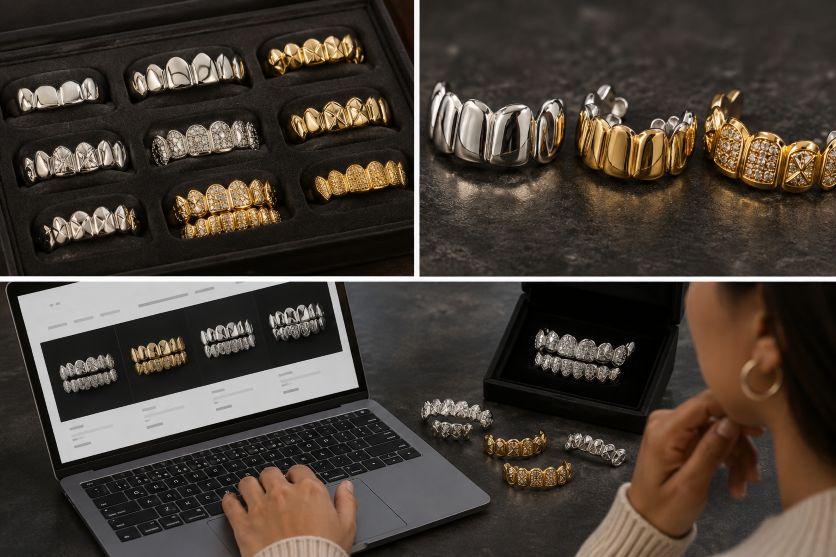 Specialized jewelry often depends on costly materials, skilled production, and design. For a niche retailer, that creates a problem. A distinctive product may attract buyers, yet a narrow price range can limit how many shoppers are willing to try it. Shopify describes “price lining” as offering related products at several prices to serve customers with different budgets and expectations.
That challenge appears in dental jewelry. Someone searching for cheap silver grillz may want a lower-cost way to explore the look before considering solid gold or custom work. Rhino Grillz positions .925 sterling silver as an alternative to solid gold and offers silver pieces that can be plated in yellow or rose gold. Its collection spans designs and prices. The comparison matters because price, metal, finish, and customization are separate choices.
Why Material Changes the Starting Price
Metal is one of the clearest ways to create product tiers. Sterling silver is not pure silver. The Gemological Institute of America explains that a “925” mark means an alloy is 92.5% silver, with the remainder made from other metals that improve strength. The Federal Trade Commission also uses 925 parts per thousand as the threshold for describing an item as sterling silver.
That distinction matters when shoppers compare silver with gold. A retailer can offer a precious-metal product without using the same type or amount of precious metal found in solid-gold jewelry. Rhino Grillz lists custom sterling silver caps and sets beside custom solid-gold grillz made in 10K, 14K, or 18K gold. Its collection shows sterling silver single caps from about $100, while solid-gold sets start higher.
Plated Alternatives Change the Look, Not the Core Metal
Plating creates another price and design layer. A silver base can receive a gold-colored surface, giving shoppers a different finish without making the entire piece solid gold. Rhino Grillz lists sterling silver pieces with yellow-gold and rose-gold plating, including designs starting around the low-$200 range.
The Federal Trade Commission stresses that jewelry sellers should describe precious-metal content and coatings accurately. Its Jewelry Guides distinguish between solid precious metal and products that are coated or plated. A lower price therefore should not automatically suggest poor quality, just as a gold-colored finish should not be assumed to mean solid gold. Clear descriptions help buyers understand what they are paying for.
Simple Designs vs. Elaborate Custom Work
Design complexity creates another useful dividing line. A single cap uses a different amount of material and production work than a multi-tooth set, diamond-cut pattern, fang design, or stone-set piece. Rhino Grillz currently lists single and multi-tooth sterling silver options, deep-cut styles, plated versions, and more elaborate configurations at different prices.
Customization also changes the buying process. Rhino Grillz says its custom pieces are made from dental impressions, with a mold kit sent after an order is placed. Premade grillz, by contrast, are ready-made accessories and can cost far less. The retailer lists some premade silver-plated styles at roughly $10 to $40. That creates a clear gap between an entry-level accessory and a fitted precious-metal product.
What Changes When a Retailer Adds Several Price Tiers?
A wider product ladder can make a niche category easier to enter. Shopify notes that price lining can expand a customer base by offering basic, mid-range, and premium choices for different segments. A first-time buyer may prefer a simple plated or sterling silver design. Someone more familiar with the style may be comfortable paying for custom fitting, heavier precious-metal content, or decorative work.
This approach still requires clear distinctions. Shopify warns that poorly separated tiers can confuse customers or weaken brand perception. In jewelry, meaningful differences can include metal purity, plating, construction, the number of teeth covered, fitting method, stones, and design detail. Once those differences are clear, retailers also need to communicate them effectively. The Zicklin Center discussion of social media strategies for fashion brands highlights visual storytelling, consistent content, influencer partnerships, and shoppable posts as ways fashion businesses can present products to online audiences. Each price step should give the buyer a clear reason for the change.
Why Clear Comparisons Still Matter
Price alone tells shoppers little about what they are buying. The Federal Trade Commission emphasizes truthful descriptions of metal content, quality, coatings, and other characteristics that could affect a purchase. For niche retailers, comparison information matters because some customers may be unfamiliar with the technical differences between plated metal, sterling silver, and solid gold.
A useful range works best when each tier has a purpose. Entry-level pieces can serve shoppers who want to experiment with the look. Sterling silver can provide a precious-metal option below many solid-gold designs. Plated silver adds visual variety, while premium custom gold pieces can serve buyers who value more expensive materials and extensive customization.
The goal is to give different customers a realistic starting point. For specialized jewelry businesses, a well-explained range can widen access while preserving room for detailed custom work. When material, construction, finish, and customization are presented separately, buyers can compare products more confidently and choose a level that fits both their style and budget.